HOW SOLID TIMBER LOUVRES AND SHUTTERS ADD VALUE TO YOUR HOME
Louvres and shutters are one of the best ways to add long-lasting value to your home. They are an easy way to add texture and shadows to a flat façade, warm up a cold home with natural timber, or introduce a Mediterranean touch. What’s more, they’ll last through any weather conditions, and changes in fashions and trends.
What is the difference between a shutter and louvre, and what sort should you choose for your home? Read on to learn about their use and recommended materials. Read the post on How to Get the Best Out of Your Shutters and Louvres.
Timber Louvres for Ventilation
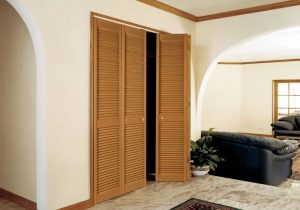 Louvres are often used to allow, or promote, the free flow of air between spaces. Think of your wardrobe. Do your out-of-season, or out-of-style clothes sometimes come back out feeling damp? Or does the air you breathe when you open your closed-off wardrobe feel a little heavy, especially if you’ve thrown in your sneakers from your fitness spree last week? Wardrobes and other cupboards are confined spaces, often holding well used household or personal items which are maintained much better in the open air. However, leaving everything out in the open doesn’t make for a tidy and happy home. Hence the closed off wardrobes. Louvres and shutters can improve this situation by allowing free air-flow.
Solid Wood Shutters are used for Thermal Insulation
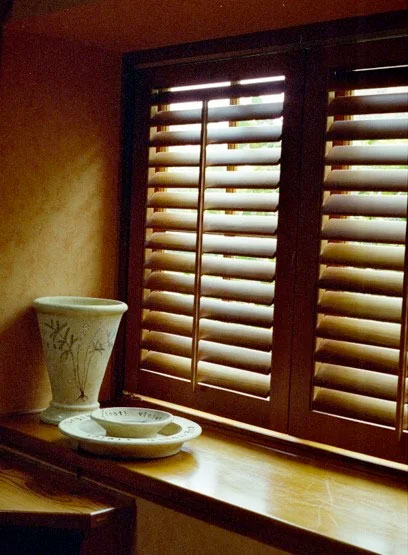
Shutters can be used instead of curtains or blinds to improve thermal control in a home. They can be hung from the window reveal and either the whole shutter can hinge or slide open, or you can select adjustable blades that open and close.
As shutters are solid timber, they prove far better thermal control than curtains or blinds. They are thicker and close tighter against the frame. This means they’ll contain the warmth on winter nights, and protect from the heat of sun in summer.
Solid Wood Shutters for Privacy
Adjustable shutters are perfect over windows for improving privacy. Firstly, when completely closed, nothing can be seen through them, unlike thin curtains or blinds. Also, they’ll leave no gaps around the edges of the window. Secondly, the blades can be adjusted in a similar way to blinds. This means you can tilt them part way to allow light to filter in while still blocking the view into the room. These do the same job as net curtains, but in a much more modern and stylish way. And they work both night and day.
The Best Timbers to Use
With this product, you need a timber that won’t twist or crack, especially when it is machined into long, thin blades that need to keep their shape and function, often in extreme weather conditions. Timber shutters and louvres are best made from Emberwood or Western Red Cedar.

It has a beautiful, modern, dark-choc colour which suits the current trends very well. Although thermally modified, it can be fitted and painted just like standard timber, but will sustain itself much better than un-modified timber.

When stained, its rich red colours and varied grain means it creates a perfect feature on almost any home design. On the other hand, Cedar is good for painting as it doesn’t have sap that will leak through the paint like other timbers such as Kwila.
Download The Complete Guide to Shutters & Louvres [Free E-Book]

